

By the Social Eyes Team
In a Brazilian favela, violence and exclusion long targeted Perninha. But up on stage, it’s another story. Between breakdancing and capoeira (an Afro-Brazilian martial art) this dancer transforms his body into an instrument of strength and beauty. With the ILL-Abilities dance troupe, he makes movement a revolt, rhythm a language, and people’s gazes a territory to reconquer.
Rio de Janeiro, its colors, its music… and its divisions. Perninha, whose real name is Lucas Ferreira Machado, grew up in a poor and violent neighborhood. And in this already complex environment, add his physical difference to the obstacles he faced: he was born with one leg shorter than the other. This disability earned him taunting, exclusion, and sometimes, a profound sense of being invisible.
“Disabled people weren’t accepted in society.” The nickname Perninha, which means “little leg” in Portuguese, he caried it like a burden… until he made it his signature.
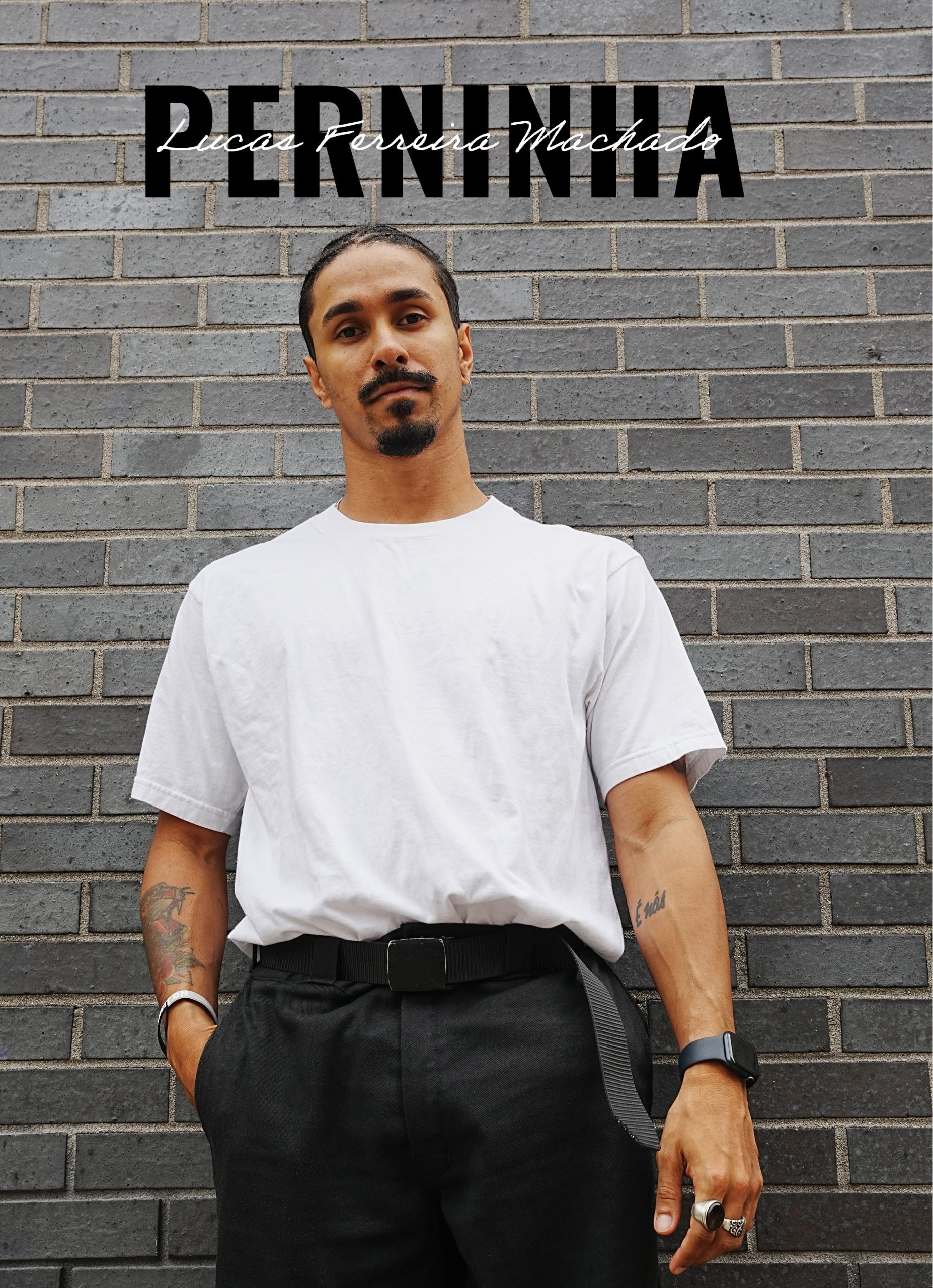
What saved Perninha wasn’t school, or the street, or institutions. It was culture. More precisely, two forms of expression born of his resistance: capoeira and breakdancing. One with African and Brazilian roots, the other born in the streets of the Bronx. Two disciplines that valued the body, musicality, and creativity beyond the norm.
“I found refuge in capoeira and breakdancing. These cultural gems gave me things I couldn’t find elsewhere.”
With capoeira, he learned to put his difference to work, transforming asymmetry into rhythm. With breakdancing, he discovered a global language, a family without borders. He understood that he didn’t have to imitate others to dance. His body already knew how to move: he had only to listen to it.
During a No Excuses, No Limits show in Montreal with the other disabled members of ILL-Abilities, Perninha made a poignant statement to the audience after his performance:
“No matter what people think of you, whatever your problems may be, you will always find in life people who don’t believe in you. But persevere, never give up.”
This phrase, nunca desista (never give up) is something he says when he is onstage, in Portuguese, like a non-religious prayer. It is by recognizing his difference that he ended up being seen, recognized, and even loved.
His audiences also pick up on his humor and his humble self-deprecation. Onstage, he plays on his body shape, explaining with a smile how he can be likesome of the other dancers: “Big like Redo or small like Checho.”
This visual pun becomes an artistic triumph.
Leave a Reply