
By Oumou Diakité
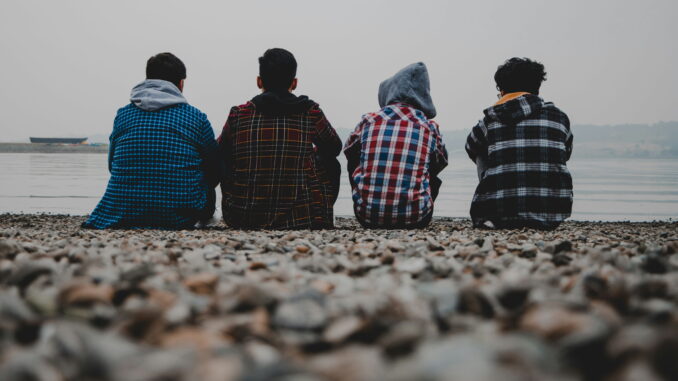
At the Café-Jeunesse Multiculturel (Multicultural Youth Café), so-called “problem” youths are first and foremost youths who are listened to. For almost 50 years, this Montréal-Nord (Montreal North) community organization has worked with marginalized young people who often fall through the cracks of traditional institutions.
“We want to shine a light on the reality of these excluded marginalized youths,” explains Slim Hammami, the organization’s Coordinator. “Often people don’t want to see them around in the neighborhood. They’re considered delinquents.”
Exiting Social Isolation
For Hammami, youth marginalization can’t be summarized by just one problematic. It is seen school, employment, mental health, housing, family relations and even their relationship to their future. “We tell young people that opportunities exist, but a lot of them don’t have access to these opportunities.”
Slim Hammami underlines that social programs are available, but that they often don’t reach their target populations.
“The needs are many: listening, accompaniment, sometimes being a substitution for a big brother or father figure. When you are excluded, you end up shutting yourself off.” The Café’s main goal is to reconnect these youths to a more positive self-image.
Humanizing Life Paths
The organization has decided to give these youths the capacity to speak up. Hammami says that spaces for self-expression like his are rare.
“The fact that we give them a place to express themselves is a game changer,” he says. “Shootings are often reported as mere news items. But behind them lie traumatized young people, families, and caregivers.”
Some very wounded youths remain above all victims who need accompaniment, despite their criminal records.
On The Ground Presence
The work begins with daily closeness to these youths.
“Our aim is to offer young people places where they can find themselves, be accompanied, and participate in activities.” The centre gives them a spot to socialize away from the streets.
“Before, the only institutional recognition they had was through the police, with arrests and contraventions.”
This proximity has allowed the organization to mount a multicultural mental health clinic. “Youths frequent this clinic a lot,” he observes. “Even big shots have their fragilities…”
Change the Story
For Hammami, there are also concerns about the way this disadvantaged part of Montreal is constantly portrayed. “Montreal North isn’t just all about crime,” he says.
Since 2009, the organization has held a Haitian flag festival to positively recognize the community. The event draws thousands of participants.
“After the riots, we want to show who we really are, not just what people say about us.” For this Coordinator, solutions to social problems have to come from the neighborhood level.
“In Montréal-Nord, there is expertise, as well as ideas and solutions. We must build with our young people and other residents, and not just wait for answers to come down from big ministerial offices.”
Photo, top: Amir Hosseine
Leave a Reply